Explore Portugal
Cycling in Portugal
Discover top cycling routes in Portugal, from scenic coastal roads to challenging mountain climbs.


Why Portugal?
Cycling In Portugal
Portugal is relatively undiscovered amongst road cyclists, especially the mountains of Monchique which are deserted by comparison to its Spanish counterparts. If you haven’t yet ridden in Portugal, here is why you need to:
1. Scenic Routes: Portugal has a diverse landscape with mountains, valleys, forests, coastal roads, and historic towns, all of which offer stunning views that you can enjoy on two wheels.
2. Mild Climate: Portugal has a mild Mediterranean climate, which means that cycling is possible all year round. Even during the winter months, temperatures are generally mild, making it an ideal destination for cycling.
3. Bike-friendly Infrastructure: Portugal has invested in cycling infrastructure over the years, with dedicated bike lanes and well-maintained roads, making it a safe and enjoyable experience for cyclists.
4. Cultural Experience: Cycling through Portugal’s historic towns and cities provides a unique cultural experience, allowing you to explore the country’s rich history and architecture.
5. Food and Wine: Portugal is known for its delicious food and wine, and cycling through the country’s wine regions allows you to sample some of the best local produce.
Make An Enquiry
We are the cycling holiday experts.
Whether you're a keen road cyclist, enjoy riding an e-bike or hybrid bike, or want to get your family more active, we have the perfect cycling holiday for you.
The Best Cycling Tours in Portugal
Getting To Portugal
Portugal is well-connected by air, with several international airports serving major cities such as Lisbon, Porto, and Faro. Many airlines offer direct flights to Portugal from various destinations worldwide, making it relatively easy to reach.
Once you arrive in Portugal, there are several options for getting around, including public transportation, car rental, and bike rentals. Portugal’s public transportation system is efficient and reliable, with buses and trains connecting major cities and towns. Car rental is also a popular option for exploring Portugal, as it provides greater flexibility and access to more remote areas. Many bike rental companies are also available in Portugal, which can provide you with a bicycle to explore the country at your own pace.
Overall, getting to Portugal is relatively easy, and once you’re there, there are several options for getting around, depending on your preferences and budget.
Cycling Portugal’s Atlantic Coast
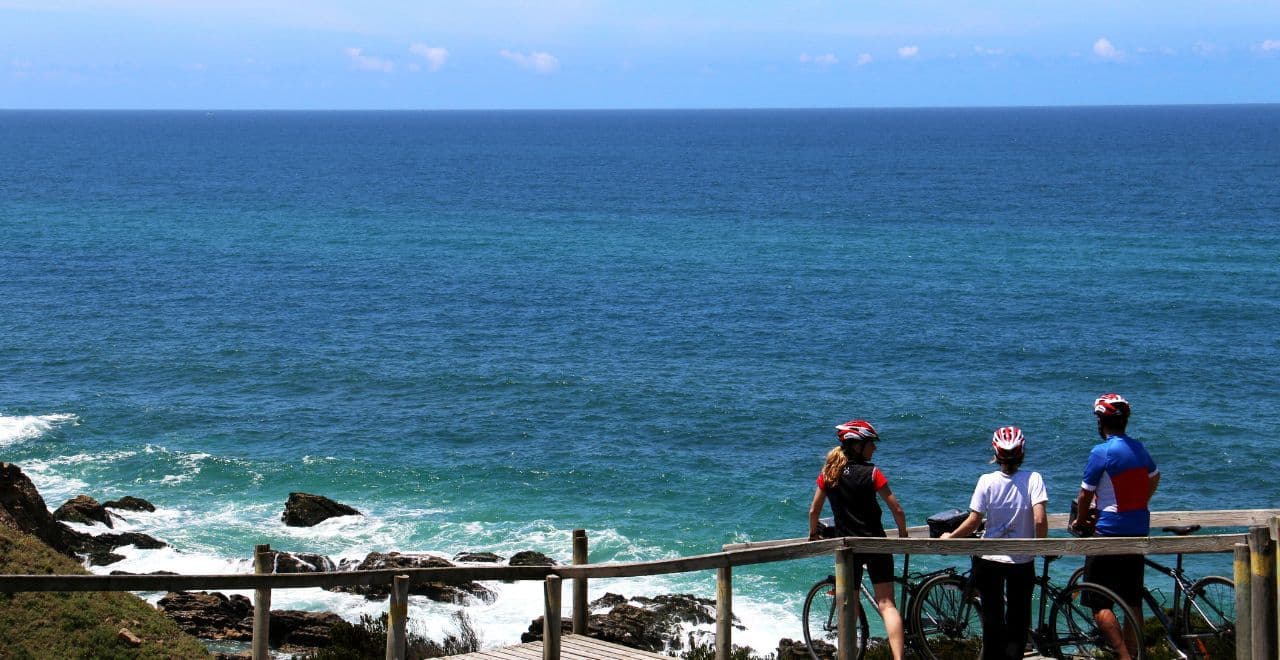
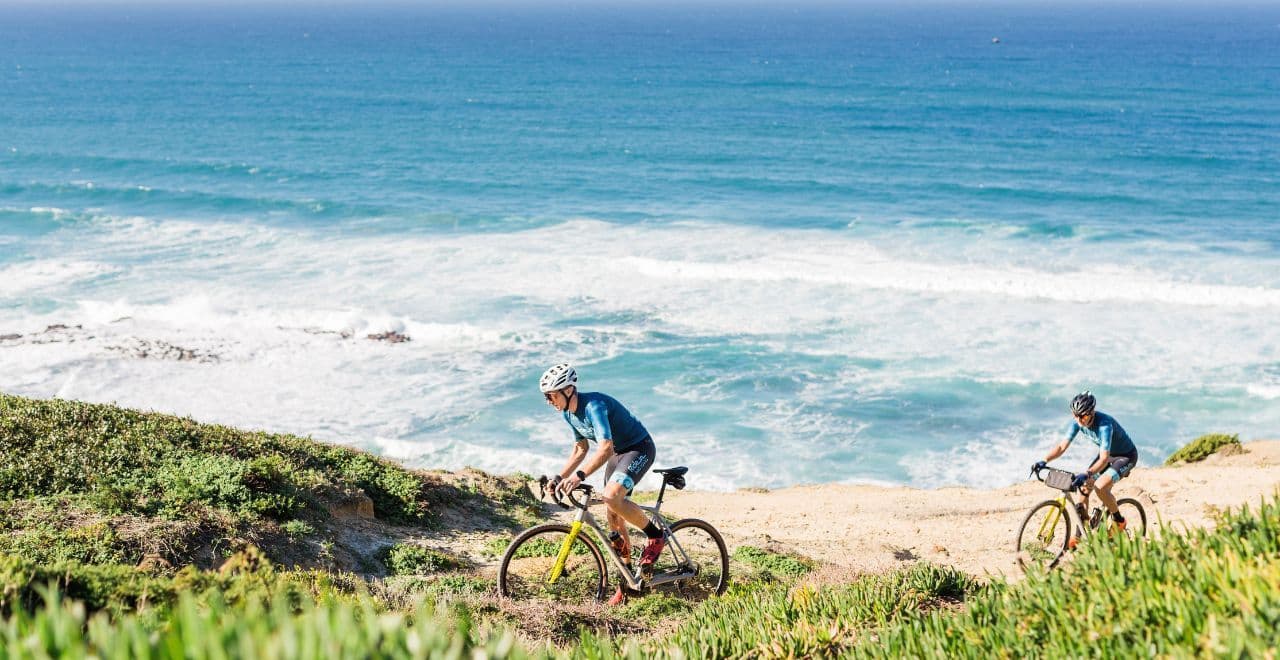
Coastal riding is a popular option in Portugal, as the country has a long coastline with beautiful beaches and scenic routes. The EuroVelo 1 runs along the Atlantic coast so in theory, you could ride the entire length of Portugal's coastline from the very north, down to Sagres, the most westerly tip of the country and across the Algarve.
The Costa de Prata between Porto and Lisbon
Ride from the vibrant city of Porto to the historic capital of Lisbon along Portugal’s wild Costa de Prata. Explore secluded beaches, hidden coves and coastal forests. Experience charming towns like Aveiro (known as the “Venice of Portugal”), the dramatic seaside landscapes around Nazaré (known for its surfing scene and incredible waves) and the beautiful fortress town of Óbidos. We love this tour as it takes in 2 of the most famous cities in Europe but it's the diversity of the trip that makes this so worthwhile. One day you'll find yourself in Portugal's historic interior, another you will be drinking wine in century old vineyards, while another might see you dipping your toes in the Atlantic.
The Algarve between Faro and Sagres
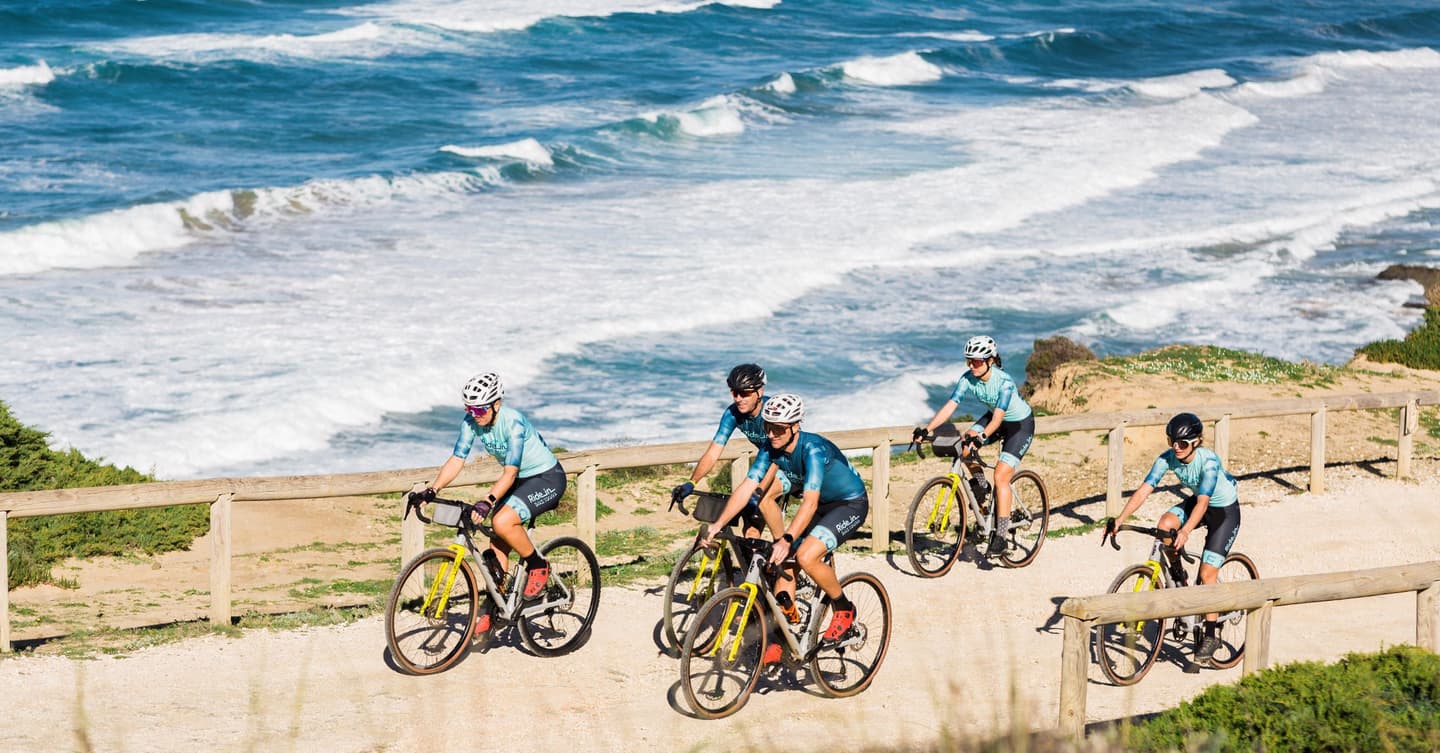
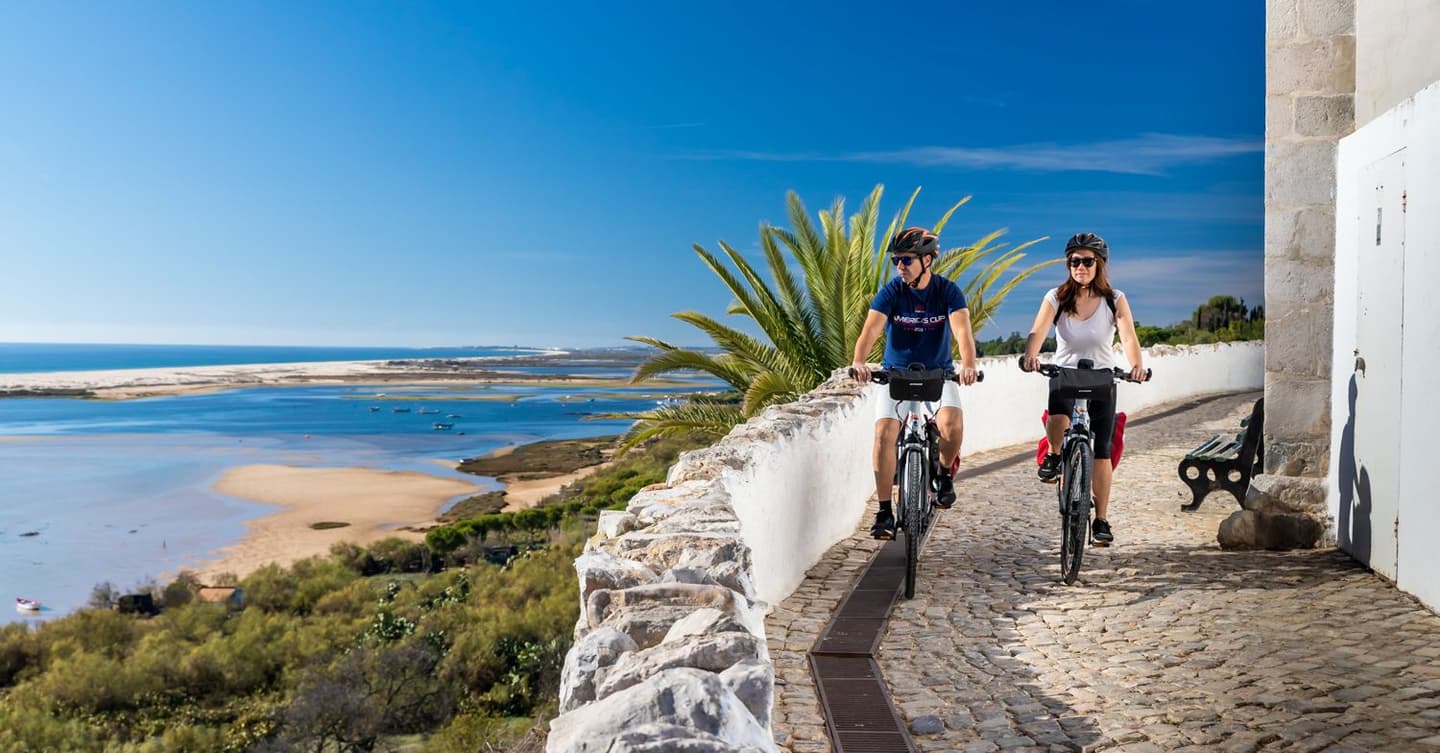
The Algarve is hardly a secret and it can be a busy tourist area if you don't know the gems which are dotted around across this area. Hug the coast and you will pass the Ria Formosa National Park where you can spot flamingos, salt marshes and sand dunes, far away from the built up tourist resorts. Head down to the gravel routes around Tavira for a completely different view of the Algarve coastline, completely removed from busy roads. Or ride to Sagres and visit Cabo de São Vicente, the lighthouse and the last piece of land between mainland Europe and North America.
Where Are the Best Cycling Climbs in Portugal?
Portugal is quite mountainous and there are several regions that offer a wide range of cycling options for those looking to climb.
Cycling in the Serra de Monchique
Explore one of our favourite regions to ride in Portugal, the Monchique mountains. Just inland from the Algarve coast, this area offers the perfect blend of quiet mountain roads, coastal beauty, and traditional charm. We highly recommend tackling the climb to Foia, the highest point in the Algarve at 902 metres. It’s a rewarding ascent with panoramic views across the Atlantic, Serra da Arrábida, and even as far as Cape St. Vincent. It's also the tetsing ground for bike manufacturers such is the quality of the tarmac, which makes the ascents easier and the descents all the more thrilling. This trip is ideal if you’re looking for variety. You’ll ride through peaceful villages like Marmelete and Aljezur, where whitewashed houses and laid-back cafés offer the perfect stop, whilst also tackling some big climbs.
Cycling in the hills of the Douro Valley
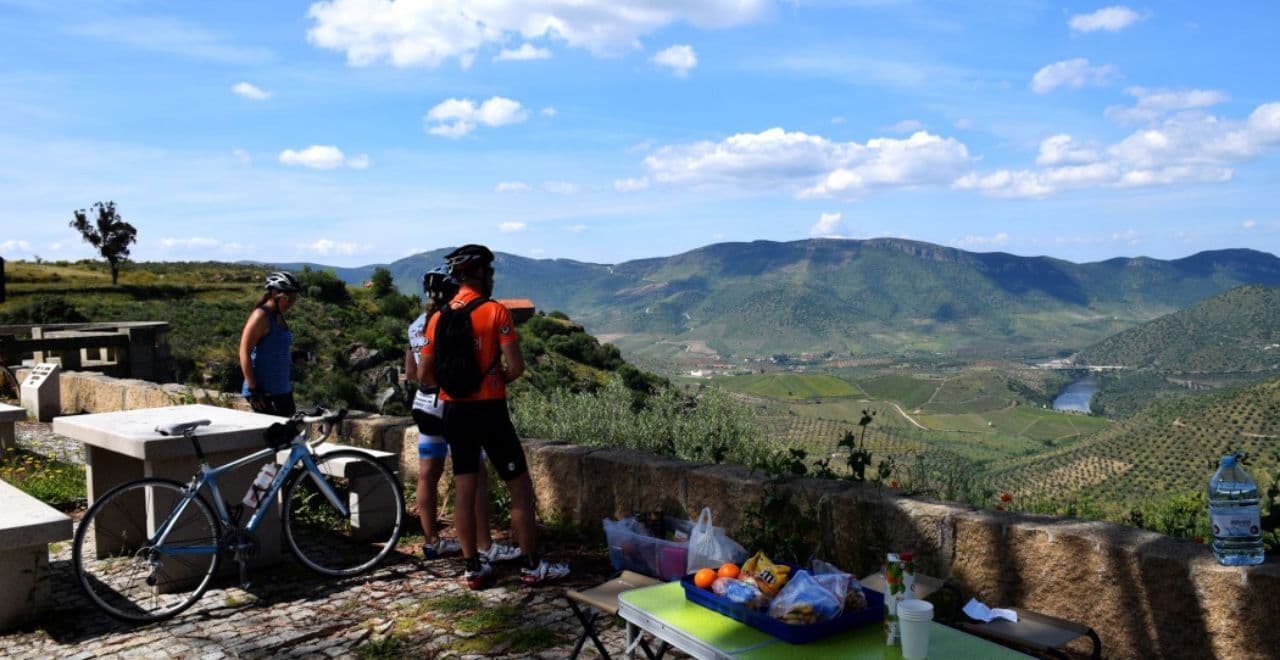
Cycling in the Douro Valley is not like cycling in the Monchique mountains but it does offer some great hills, mixed in with a bit more of a cultural and gastronomic ride. It's destination we absolutely love for its blend of stunning landscapes, rich culture, and quiet, winding roads. This is one of our top picks for scenic, rewarding cycling. The rides take you along terraced hillsides and riverside routes, where lush vineyards stretch as far as the eye can see.
We highly recommend exploring the climbs around Peso da Régua – a fantastic challenge for those looking to test their legs, with peaceful roads and sweeping views over the Douro River. You’ll also pass through historic towns like Pinhão and Lamego, where cobbled streets and riverside cafés invite you to slow down and soak up the region’s old-world charm.
Riding the N2 and The Length of Portugal
If you're looking for some serious climbing in Portugal, look no further than the north to south trip, traversing Portugal's famous N2. You'll ride the third longest road in the world covering almost 750km and 10,000m of climbing. You'll head through Portugal's interior exploring historic cities, vineyards and finally the Algarve coastline. This is the ultimate road cycling holiday in Portugal.
When is the Best Time to Cycle in Portugal
Spring (March – May)
Spring is one of our favourite times to cycle in Portugal. The days are warm but not too hot, with temperatures typically ranging from 16–22°C. Nature is in full bloom, and you’ll enjoy quieter roads and clear skies. The earlier you go in the season, the more variable the weather can be, but it's not uncommon to have very warm days in early March and even February, long before any crowds have descended.
Top Tip: Spring mornings are usually calm and ideal for early rides. If you're cycling the coast, especially our Porto to Lisbon trip, keep an eye out for the Nora, a northwesterly Atlantic wind that tends to pick up in the afternoon. Plan your route to start early so that you're by the beach before those Atlantic winds whip up.
Summer (June – August)
Portugal’s summer is long, hot, and dry, especially inland, where temperatures can soar above 35°C. Coastal areas like the Algarve stay more manageable with sea breezes and average highs around 28°C. We don't recommend any trips in August but you can still ride in July. Just be prepared for hot days, keep hydrated and bring a lot of sunscreen.
Top Tip: Start your rides early in the morning before the midday sun kicks in. If you’re riding inland, consider basing yourself in the Monchique mountain, the elevation here offers cooler, fresher air and some respite from the heat. It’s a great place to escape the Algarve’s summer intensity.
Autumn (September – November)
Autumn is golden and glorious. Temperatures drop to a comfortable range of 18–25°C, the crowds thin out, and the light is perfect for photos. It’s also harvest season, especially in wine regions like the Douro Valley, ideal for a post-ride tasting.
Top Tip: Like in spring, coastal winds such as the Nora can pick up in the afternoons. Ride earlier in the day for calmer conditions.
Winter (December – February)
Winter along Portugal’s southern coast is surprisingly mild, with temperatures averaging around 15°C. Inland areas can be colder and wetter, but still rideable with the right kit.
Top Tip: Coastal routes are your friend in winter—less rain, more sun, and generally softer conditions. Mornings can be crisp, so layer up, and take advantage of the quieter roads and off-season tranquillity.
Visiting Portugal’s Fishing Villages
Portugal has a long coastline with many charming fishing villages that offer a unique cultural experience for cyclists.
These villages are typically characterized by colourful boats, narrow streets, and traditional whitewashed houses with red-tiled roofs. Our favourite fishing villages to visit are:
Nazaré
This picturesque fishing village, located on the west coast of Portugal, is known for its big wave surfing and historic sites. You can visit this on our Porto to Lisbon trip and it's a unique sight, watching hundreds of surfers tackle the gigantic waves that roll in off the Atlantic.
Sesimbra
This coastal town, located just south of Lisbon, is known for its beaches and fresh seafood. The town’s narrow streets and colourful houses provide a charming backdrop for cycling. The beaches just over the 25th April bridge (so called after the revolution which overthrew Portugal's dictatorship) are a sea of quiet beach restaurants and cycle paths, ideal for any cycling tour.
Albufeira
This coastal town, located in the Algarve region, is known for its beautiful beaches and bustling nightlife. Visit the Praia da Marinha, just west of Albufeira for the iconic view of a golden‑sand beach backed by towering limestone cliffs and a famous sea arch in the rock
Cascais
This charming town, located just outside of Lisbon, offers a variety of cycling routes that wind through historic streets, past beautiful beaches, and along the rugged coastline.
Aveiro
This coastal town, located in central Portugal, is known for its colourful moliceiros boats and historic architecture.
Cycling through Portugal’s fishing villages can be a great way to explore the country’s unique culture and history while also enjoying scenic coastal routes.
Reviews
What our Cyclists Say
I booked through Love Velo because the reviews were so good. I wasn't disappointed. Right from my first contact with LV they were easy to talk to and although I dithered (my first cycling trip abroad) they didn't press me. When I eventually confirmed my booking they took care of everything.
Read full reviewStephen Foster
Everything about Love Velo has been faultless. From the initial notification of them teaming up with Le Col and to the pricing being unbelievable and then the customer service, top class. James, if all the staff are as attentive to every detail as you are then everyone will be as lucky as I have been. 100% at some point, hopefully in the near future I will be booking again with you guys. Thank you again
Read full reviewIan Robertson
Very friendly and helpful team, knowledgeable and helpful advice to offer with podcasts and professional advice go that extra mile. The team are always on hand and positive - no matter how trivial your question. I’ve organised and completed plenty of trips doing it all myself, but never again.
Read full reviewPhilD
The Best Food and Wine In Portugal
Yes, Portugal is known for producing high-quality wines, and its wine regions offer a unique experience for cycling enthusiasts. Some of the most famous wine regions in Portugal include the Douro Valley, the Alentejo, and the Vinho Verde region.
Portugal is home to some of Europe’s most celebrated wine regions, each offering unique cycling experiences that blend scenic landscapes with rich cultural and culinary heritage.
Wines of the Douro Valley
In the Douro Valley, one of the oldest demarcated wine regions in the world, cyclists are treated to dramatic views of terraced vineyards cascading down steep hillsides along the Douro River. This northern region is famed for its world-renowned Port wine, and riding here offers not only spectacular scenery but also access to historic quintas (wine estates) offering tastings and cellar tours. When you ride on Douro Valley tour you can experience all this by flying into Porto and then heading into the countryside.
Drinking Wine in Alentejo
Further south, the Alentejo is known for its bold red wines and vast open landscapes. This region is ideal for relaxed cycling through rolling countryside, cork oak forests, and past whitewashed towns steeped in history. The roads here are quieter, the climbs more gentle, and the sense of space is truly immersive. You can see much of the western area on our coastal tour of the Algarve, or more of the interior on our N2 road cycling trip.
Many of Portugal’s vineyards welcome cyclists with guided tours and wine tastings, making it easy to combine two of the country’s greatest pleasures – riding and wine. Whether you're exploring the sun-drenched south or the lush valleys of the north, cycling through Portugal’s wine regions offers an unforgettable journey through taste and terrain.
Portugal’s Diverse Cuisine
Portuguese cuisine is diverse and flavourful, with a focus on fresh seafood, meats, and vegetables. Some of the most famous dishes in Portugal include grilled sardines, bacalhau (salt cod), cozido (a hearty stew), and francesinha (a sandwich filled with meat, cheese, and a spicy tomato sauce).
Seafood is a staple of Portuguese cuisine, and many coastal towns and villages have excellent seafood restaurants that serve fresh fish and shellfish. Portugal is also known for its pastries, including the famous pastel de nata, a custard tart with a crispy pastry shell. Our favorite is Pastéis de Belém in Belem. The queue to get in will tell you how sought after their pastel del nata is! Take a walk through the Praça do Império with a coffee and pastel del nata in hand for a true taste of Lisbon.
The Cities
Porto
Porto is a historic city located in northern Portugal, and it’s a popular destination for tourists from all over the world. The city is situated on the banks of the Douro River, which is famous for its port wine production.
The city’s historic center, Ribeira, is a UNESCO World Heritage Site and features narrow streets, colourful buildings, and picturesque squares. The most famous landmark in Porto is the Dom Luis I Bridge, which spans the Douro River and provides stunning views of the city.
Porto is also known for its food, especially its seafood and traditional dishes like francesinha (a sandwich filled with meat, cheese, and a spicy tomato sauce). The city has many excellent restaurants and cafes that serve delicious food and wine.
In addition to its historic center, Porto has many other attractions, including museums, parks, and gardens. The Serralves Museum of Contemporary Art is one of the most popular museums in the city, featuring works by Portuguese and international artists.
For cyclists, Porto offers a great starting point for exploring the surrounding countryside and wine regions. The city has many bike rental shops and tour operators that offer guided tours and cycling routes, making it a great destination for cycling enthusiasts of all levels.
Lisbon
Lisbon is the capital city of Portugal and is known for its rich history, stunning architecture, and vibrant culture. The city is located on the Atlantic coast, with a hilly landscape that provides breathtaking views of the city and the sea.
One of the most famous landmarks in Lisbon is the Belem Tower, a 16th-century tower that was built to defend the city’s port. The tower is a UNESCO World Heritage Site and is one of the most visited tourist attractions in Lisbon.
Lisbon is also known for its food, with a rich culinary tradition that includes fresh seafood, meats, and pastries. The city has many excellent restaurants, cafes, and bakeries that serve delicious food and wine.
In addition to its historic landmarks and food, Lisbon is also famous for its vibrant nightlife, with many bars, clubs, and music venues that cater to different tastes and styles.
For cyclists, Lisbon offers a variety of cycling routes, including the Lisbon-Estoril coast road and the Monsanto Forest Park, which offers over 50 km of cycling trails. The city also has many bike rental shops and tour operators that offer guided tours and cycling routes, making it a great destination for cycling enthusiasts of all levels.
We hope you found our guide to cycling in Portugal helpful. For information on pricing, check out our blog on what a bike tour in Portugal costs.
If you’re looking to book your next Portugal cycling holiday, make an enquiry with us today.
Read More About Portugal
Why us
How Our Cycling Trips Work?

ABTOT protected
Many of our holidays are protected by ABTOT and you can find our bond using membership number 5523.

Trust
Rated Excellent on Trustpilot, 10,000+ Cyclists Travel with Us Yearly.
Exclusive Perks
Free Access to Rewards and Discounts on Top Brands like Garmin, Le Col and Oakley.

Easy Payment
Spread Your Tour Cost Interest-Free.