The Internet Made Him Famous, Cycling Keeps Him Sane
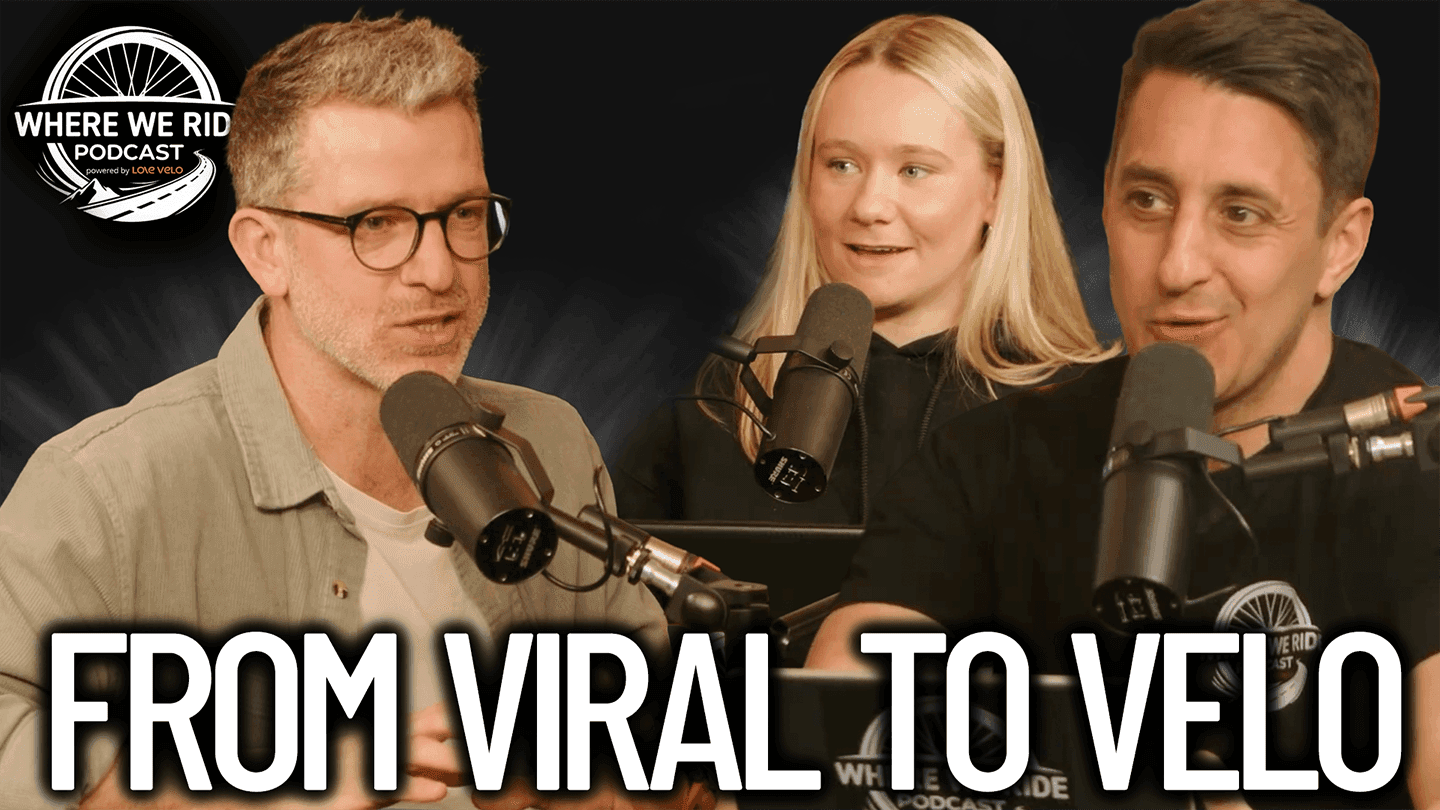
In the latest episode of Where We Ride, hosts Lee and Georgia sit down with Simon Hooper, better known online as Father of Daughters, to talk about family life, social media, cycling and why riding a bike has become such an important outlet in his life.
What starts as a conversation about parenting and Instagram quickly becomes a deeper discussion around screen addiction, endurance cycling, burnout, mental health, and the role cycling plays in helping people switch off from modern life.
For anyone interested in family cycling, viral fame and the pitfalls of social media, this episode offers a refreshing and honest perspective.
From Viral Fame to Fatherhood Online
Simon explains how his social media journey began almost accidentally.
After noticing there were very few dads openly talking about parenting online, he created an account to share the reality of raising four daughters. The account exploded after several viral posts and celebrity shares.
“Suddenly I went from like 10,000 followers to almost 300,000 followers in the space of about three weeks.”
What followed was a huge online audience connecting with his honest approach to fatherhood, family chaos, and modern parenting.
But despite his success online, Simon is incredibly thoughtful about how social media impacts both adults and children.
Why Simon Banned YouTube at Home
One of the strongest themes throughout the episode is Simon’s concern around screen time and social media addiction.
Despite making content professionally, he openly admits he worries about what constant digital consumption is doing to children.
“They were spending hours looking at brain rot and I was like, ‘Nope, I can’t have that any longer. We need to go outside and do things.’”
Simon discusses:
- Removing YouTube from household devices
- Strict phone restrictions for his younger children
- Avoiding posting content while spending time with family
- Only uploading social content after his children go to bed
The conversation becomes especially powerful when discussing his daughter’s relationship with smartphones after being diagnosed with type 1 diabetes.
Because she needed a phone to monitor glucose levels, she gained earlier access to social media than Simon would have liked.
“She said, ‘I wish I didn’t have a phone so early.’”
It’s an honest reflection on the challenges many modern parents now face.
Cycling Became Simon’s Escape
Although many followers know Simon through parenting content, cycling has actually been part of his life since childhood.
Growing up in Bristol, he spent entire days riding mountain bikes with friends before eventually moving into road cycling while commuting across London.
Over time, cycling evolved from transport into something much more important.
“The consistency of it has just been that need to be on a bike at some point during the day.”
As Simon approached his forties, endurance cycling became a major personal challenge.
He started training seriously, riding indoors on Zwift and the Wattbike, entering major European cycling events including:
- Maratona dles Dolomites
- Mallorca 312
- Chase The Sun
- Coast-to-coast endurance rides across the UK
For many cyclists interested in bike tours, cycling holidays, or endurance cycling events in Europe, Simon’s story perfectly captures why people become obsessed with long-distance riding.
The Dark Side of Endurance Cycling
One of the most important moments in the podcast comes when Simon openly discusses the mental health impact of overtraining.
As his fitness improved, cycling stopped being purely enjoyable and became heavily focused on performance metrics.
“VO2 max, FTP, all these things became really important.”
Late-night indoor training sessions, obsessive focus on numbers, poor sleep, and constant pressure eventually took a toll.
Simon explains how he developed depression symptoms linked to overtraining and burnout.
“I wasn’t mentally okay.”
After encouragement from his wife, he began talking therapy and reassessed his relationship with cycling.
It’s a hugely relatable conversation for many cyclists who have experienced the pressure of constantly chasing performance data.
Riding for Your Mental Health
Today, Simon approaches cycling very differently.
Rather than obsessing over data, he now rides primarily for clarity, calmness, and mental wellbeing.
“I don’t think about anything when I cycle.”
That shift from performance cycling to mindful riding is something many endurance cyclists eventually experience.
The discussion around mental health and cycling feels particularly relevant in a modern world dominated by screens, stress, and constant stimulation.
For Simon, cycling is no longer about proving anything. It’s about freedom.
Cycling Holidays, Bike Tours, and Big Challenges
The episode also dives into some of Europe’s most iconic cycling events.
Simon speaks emotionally about completing the Maratona dles Dolomites, describing the brutal climbs, changing weather conditions, and overwhelming feeling of crossing the finish line.
“When you get to that top you get that elation. You’re like, ‘Oh my God, I have done it.’”
For fans of cycling in France, Italy, and Europe, the conversation captures exactly why cycling holidays and endurance sportives continue to grow in popularity.
These events combine:
- Travel
- Adventure
- Community
- Personal challenge
- Incredible scenery
It’s why cycling travel has become such a huge part of modern cycling culture.
Why Cycling Is Becoming More Inclusive
Lee and Georgia also discuss the changing face of cycling culture, especially for women entering the sport.
Simon reflects on how cycling can still feel intimidating for beginners, particularly when group rides are heavily male dominated.
At the same time, he believes things are improving rapidly thanks to:
- More women’s cycling coverage
- The rise of the Tour de France Femmes avec Zwift
- Better cycling kit and bike design
- More female-led cycling communities
The conversation highlights how modern cycling is slowly becoming more inclusive, social, and accessible.
Final Thoughts: Cycling Beyond Performance
This episode is far more than a conversation about Instagram fame or parenting.
It’s an honest discussion about burnout, modern life, mental health, and why so many people turn to cycling for balance.
Whether it’s commuting through London, tackling the Maratona, planning cycling holidays, or simply escaping screens for a few hours, Simon’s story highlights the emotional connection many people develop with riding bikes.
And perhaps most importantly, it’s a reminder that cycling doesn’t always need to be about numbers.
Sometimes, it’s simply about feeling better.